Pigmentation: Why Those Dark Patches Look More Noticeable After Summer
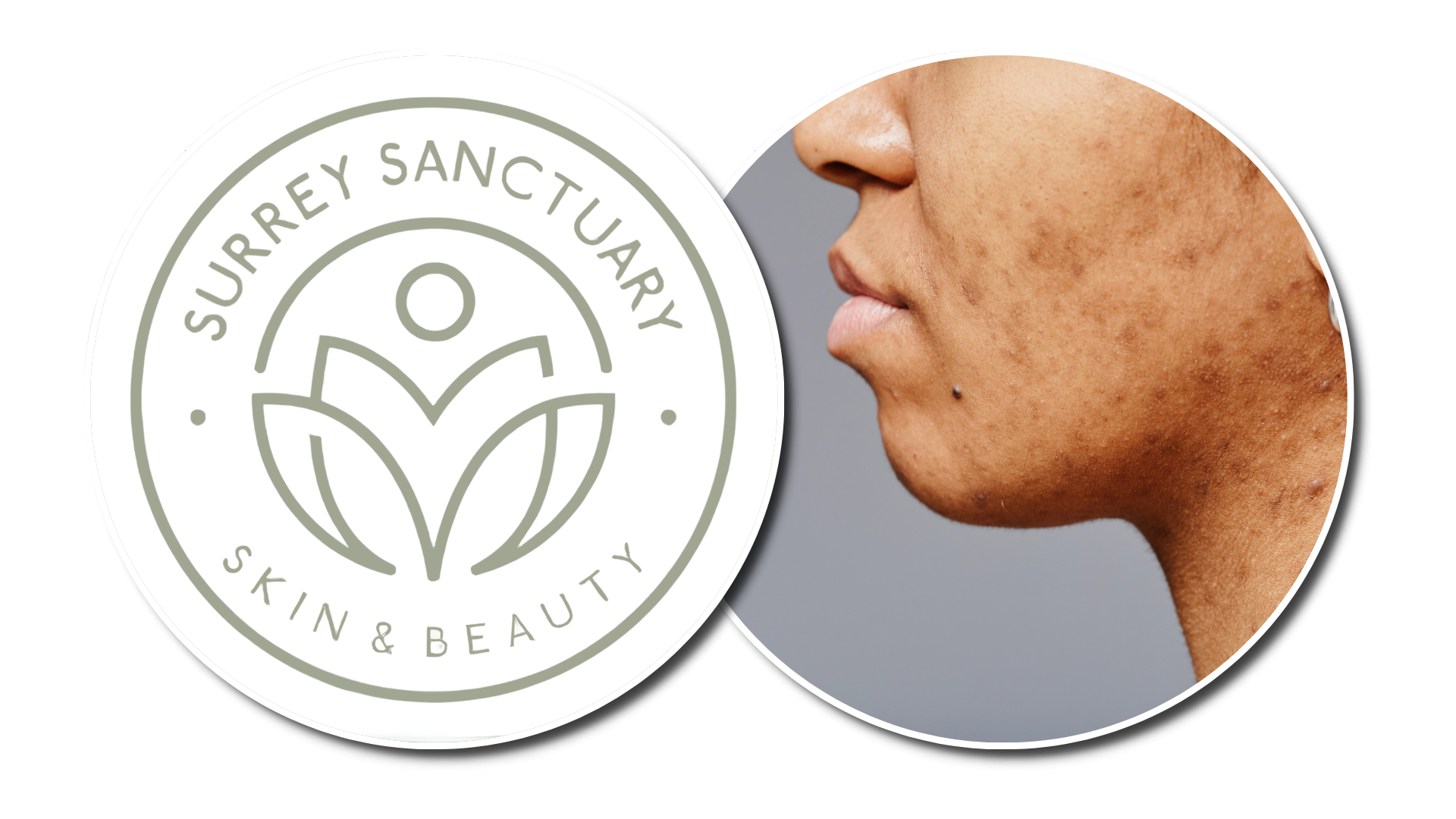
You’ve had your summer holiday, enjoyed the sunshine and perhaps even come home with a lovely glow. Then September arrives, your tan starts to fade and suddenly you notice something you weren’t expecting…
Dark patches, uneven skin tone or areas of pigmentation that seem much more obvious than before.
If this sounds familiar, you’re definitely not alone. Pigmentation is something I see regularly in the clinic after the summer months.
So why does it happen, and more importantly, what can we do about it?
Why Does Pigmentation Become More Noticeable After Summer?
Our skin produces a pigment called melanin, which helps give our skin its colour.
When our skin is exposed to UV radiation, melanin production increases as part of the skin’s response to that exposure. This is what creates a tan, but it can also make existing pigmentation darker or contribute to areas of uneven pigmentation becoming more noticeable.
During summer, a tan can sometimes disguise differences in skin tone. As that tan begins to fade, those darker areas can suddenly stand out.
That’s often when clients say:
“I’m sure these marks weren’t there before my holiday!”
They may have been much less noticeable previously, but summer sun exposure can make pigmentation easier to see.
What Does Pigmentation Look Like?
Pigmentation doesn’t look exactly the same on everyone.
You might notice:
✨ Freckles becoming darker or more numerous
✨ Individual sun spots
✨ Larger patches of uneven colour
✨ Dark marks left behind after spots or inflammation
✨ Areas of pigmentation across the cheeks, forehead or upper lip
There are different causes and types of pigmentation, which is why I always recommend having your skin assessed rather than immediately reaching for the strongest “pigmentation correcting” product you can find.
Understanding why the pigmentation is there is an important first step.
It’s Not Just About Your Summer Holiday
It's easy to blame that week in Spain, but pigmentation can reflect cumulative sun exposure over many years.
UV exposure happens when you're walking the dog, sitting outside a café, gardening, driving or simply going about your normal day.
Hormonal changes can also influence some forms of pigmentation, and marks can remain following acne or inflammation.
This is one of the reasons pigmentation can be a little more complicated than simply trying to “fade a dark spot”.
Why SPF Still Matters in Autumn
The summer holiday might be over, but please don't put your SPF away!
One of the most important things you can do when managing pigmentation is protect your skin from further UV exposure.
I recommend making a broad-spectrum SPF part of your daily skincare routine throughout the year, not just when the weather is hot.
And if you're investing in professional skincare or treatments to improve the appearance of pigmentation, protecting your skin is especially important.
There's little point working hard to improve uneven pigmentation if you're not protecting your skin from the very thing that can make it more noticeable again.
Can Skincare Help With Pigmentation?
The right skincare can certainly help improve the appearance of uneven skin tone, but this is where patience and consistency matter.
At Surrey Sanctuary, I work with Medik8 and love the simplicity of its CSA approach: Vitamin C and sunscreen during the day, and Vitamin A at night where suitable.
Vitamin C can help support a brighter, more even-looking complexion while providing antioxidant protection. Vitamin A can support skin renewal and help improve the appearance of uneven tone over time.
But more isn't necessarily better.
Using multiple acids, retinoids and brightening products together without understanding what your skin can tolerate can result in irritation, and an unhappy skin barrier isn't going to help your skin goals.
Your routine should always be appropriate for your skin.
What About Professional Treatments?
Autumn can be a useful time to reassess your skin after summer and discuss professional treatment options.
Depending on your skin, the type of pigmentation and your individual goals, we might consider treatments such as professional Medik8 peels or microneedling alongside an appropriate home skincare routine.
For example, a professional peel may help improve surface texture and brightness, while microneedling may be suitable as part of a broader plan to improve overall skin quality and uneven tone.
But there isn't one single “pigmentation treatment” that's right for everybody.
This is why consultation matters. We need to look at what's happening with your skin before deciding on the most appropriate approach.
How Quickly Can Pigmentation Improve?
This is one area where I always encourage clients to be realistic.
Pigmentation that has developed or become more noticeable over years isn't likely to disappear after one facial.
Improving its appearance usually requires a combination of consistent home skincare, daily sun protection, appropriate professional treatments and time.
And even once you've achieved an improvement, SPF and good skincare remain important for maintaining your results.
Think of it as a skin journey rather than a quick fix.
Please Don't Try to Scrub It Away!
When people notice dark patches, it's tempting to start exfoliating more frequently in an attempt to remove them.
Pigmentation isn't dirt sitting on the surface of your skin, so aggressive scrubbing won't remove it.
In fact, irritating the skin can sometimes make certain types of pigmentation more noticeable.
This is another reason I prefer a gentle, considered approach rather than throwing every active ingredient at the problem.
September Is a Great Time to Start the Conversation
If you've looked in the mirror recently and thought, “Where have those dark patches come from?”, now is a great time to have your skin assessed.
We can look at your current skincare, talk about what's concerning you and decide whether professional treatments could form part of your plan.
The aim isn't perfect, completely uniform skin. It's about helping your skin look healthier, brighter and more even while protecting it for the future.
📩 Concerned about pigmentation after summer? Message me to arrange a skin consultation at Surrey Sanctuary Skin & Beauty in Dorking.
With love,
Julia x