Retinal vs Retinol: What’s the Difference?
If you’ve been researching anti-ageing skincare recently, chances are you’ve come across both retinol and retinal.
They’re both forms of vitamin A and are known for improving:
- fine lines
- skin texture
- acne
- pigmentation
- overall skin quality
But despite sounding similar, they’re not exactly the same.
One of the most common questions I get asked is:
“What’s the difference between retinal and retinol... and which one should I use?”
So let’s simplify it.
Retinol and retinal both belong to the vitamin A family, which works by encouraging faster skin cell renewal and supporting collagen production.
This helps skin appear smoother, brighter and firmer over time.
The main difference is how quickly they work within the skin.
Retinol has to go through two conversion steps within the skin before it becomes active, while retinal only needs one conversion step.
This means retinal works faster and more efficiently than traditional retinol.
Because of this, retinal is often considered a more advanced form of vitamin A, delivering visible results more quickly while still being suitable for many skin types when introduced correctly.
Both ingredients can help improve:
✨ Fine lines and wrinkles
✨ Uneven skin tone
✨ Dullness
✨ Acne and breakouts
✨ Skin texture
✨ Loss of firmness
But consistency is key.
Vitamin A products are designed to work over time, gradually improving overall skin health and appearance.
One thing many people don’t realise is that stronger doesn’t always mean better immediately.
Introducing vitamin A too quickly can sometimes lead to:
- dryness
- flaking
- redness
- irritation
That’s why I always recommend starting slowly and building up gradually, especially if you’re new to active skincare.
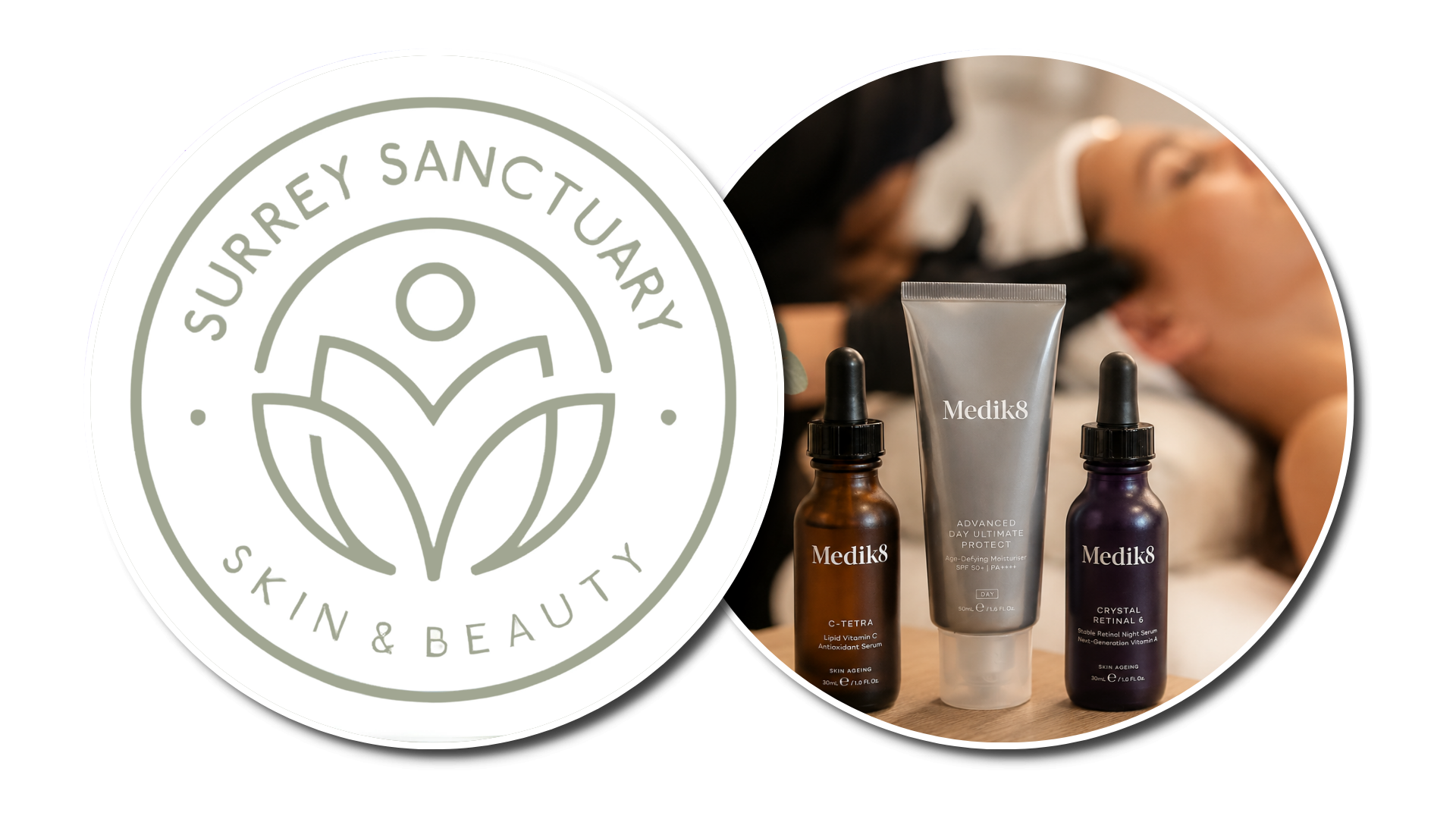
This is also why I love Medik8’s approach to vitamin A products. They are designed to deliver results while still supporting the skin barrier and minimising unnecessary irritation.
It’s also important to remember that vitamin A should only be used in the evening, alongside daily SPF during the day.
This forms part of the Medik8 CSA philosophy:
☀️ Vitamin C in the morning
☀️ SPF daily
🌙 Vitamin A at night
A simple but incredibly effective routine for long-term skin health.
So which is better... retinal or retinol?
The answer depends on your skin, your experience with active ingredients, and your skin goals.
For many people, retinal can offer faster, more noticeable results while still being well tolerated when used correctly.
But the most important thing is choosing the right strength and routine for your skin.
Vitamin A is one of the most researched and effective skincare ingredients available, but it doesn’t need to feel confusing or intimidating.
The right product, introduced properly, can make a huge difference to your skin over time.
And remember... healthy skin is always about consistency, not perfection.
Not sure whether retinol or retinal is right for your skin?
📩 Message for personalised skincare advice
📍 Surrey Sanctuary Skin & Beauty, Dorking